Is Gare Du Nord Dodgy At Night?
An honest look at night-time safety around Gare du Nord, which cheap beds sit closest to the station, and how to handle a late arrival without stress.
Is Gare Du Nord Dodgy At Night?
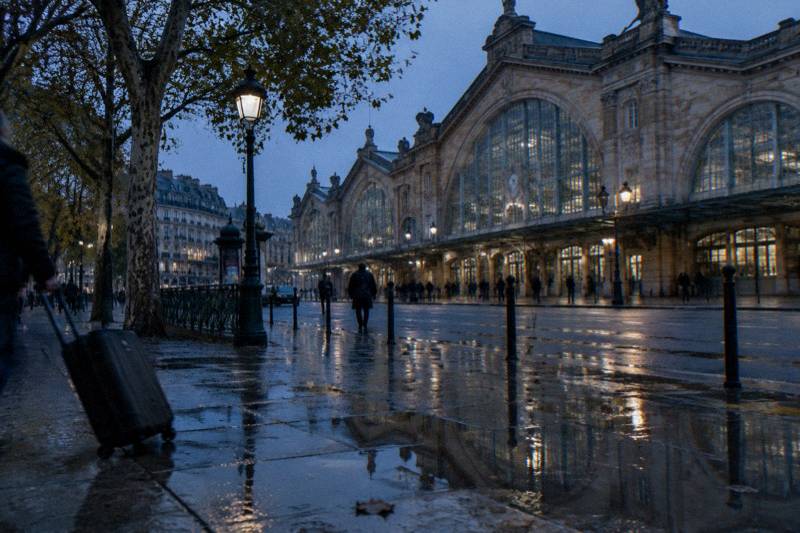
No single honest answer calls Gare du Nord uniformly dodgy, but it is the busiest station in Europe and it behaves like one after dark: crowded pavements, people asking for money, and a steady police presence rather than quiet residential calm. The recorded facts for 2026 show security capacity around the transport network has grown, with a new RATP security headquarters coordinating 15,000 cameras. Sensible habits matter more than the postcode.
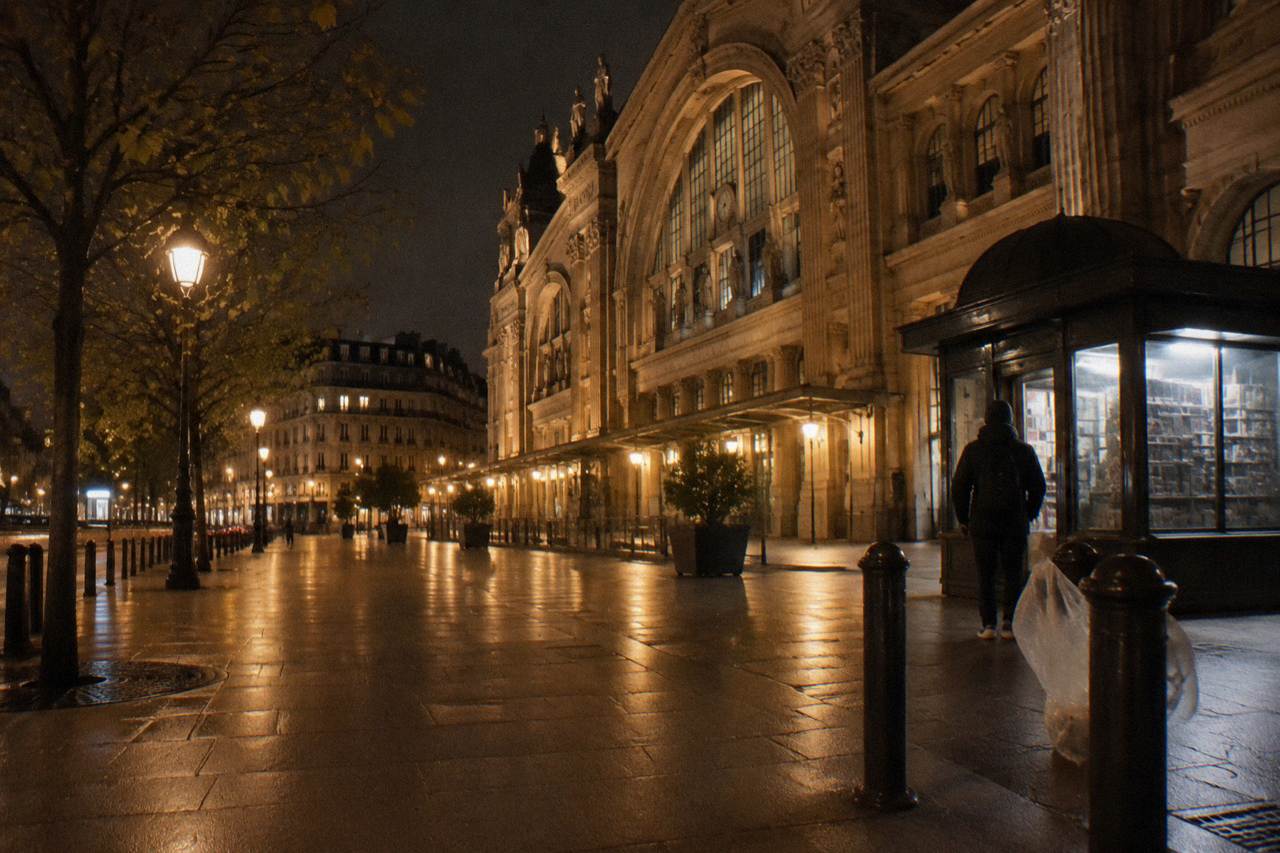
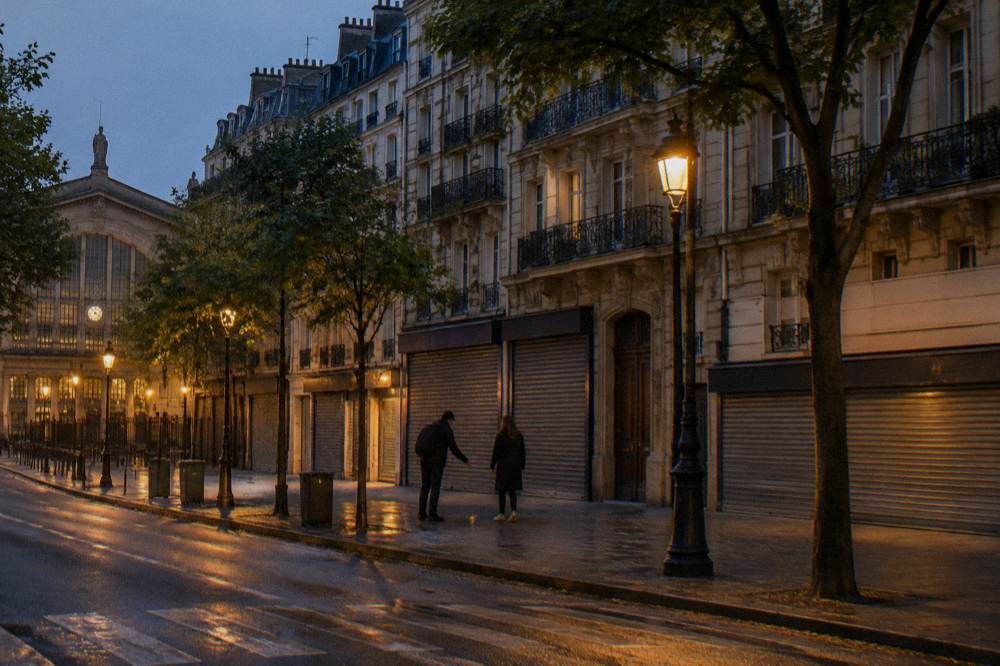
That distinction matters for anyone booking a budget stay. The streets immediately around the station, boulevard de Magenta, rue de Dunkerque and the approach to the canal, are busy at hours when most of Paris is empty. Busy is not the same as dangerous, and the two get confused constantly in traveller forums. What you actually notice at midnight outside the main entrance is traffic, taxi ranks, other passengers, and fast-food places still open, because the station serves Eurostar arrivals and late suburban trains.
The honest framing is that this is a working transport hub with a mixed reputation, some of it earned years ago, some of it inherited from the general stigma attached to the 10th arrondissement's cheaper end. For a budget traveller it has one unbeatable practical advantage: if your train lands at 23:30, a bed ten minutes' walk from the concourse beats a cheaper bed forty minutes away across a city you do not know.
There is also a seasonal rhythm worth knowing about. Big stations in Paris are never empty, but the character of the crowd changes through the night: the 22:00 to midnight window still has commuters and diners, the hours after that belong to long-distance travellers waiting for early trains, and by 5 a.m. the place fills again with the first departures. For a visitor, the practical implication is that between roughly 1 a.m. and 5 a.m. the surrounding streets are at their quietest, which is exactly when the main boulevards matter most and shortcuts matter least.
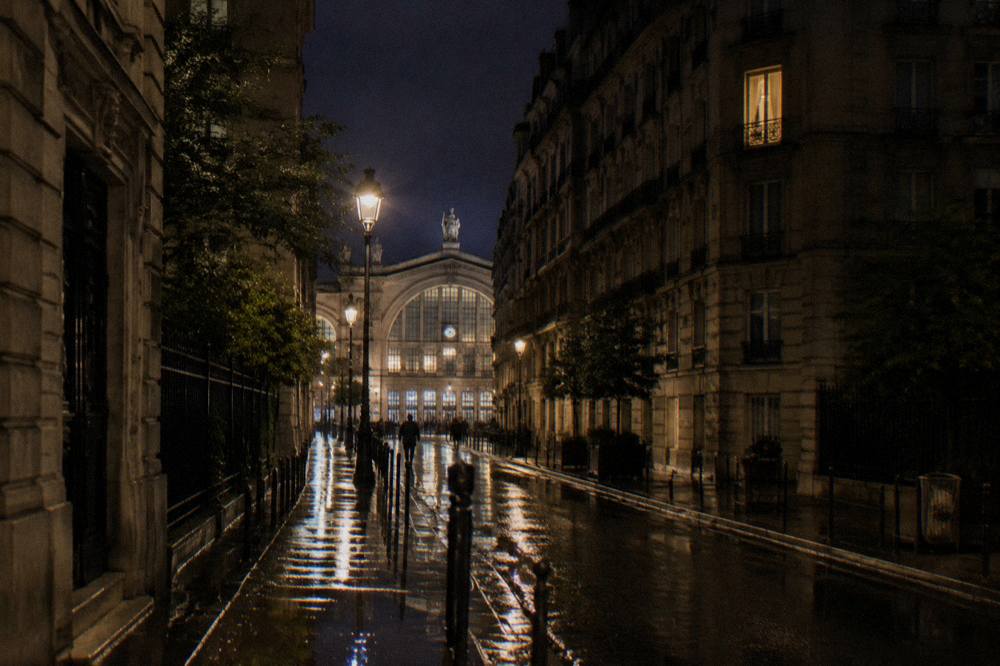
That trade-off, price against a short walk with luggage, is the real decision, and it is worth making with facts rather than nerves. The rest of this article sets out what the official record says about security in and around the network, which cheap properties sit closest, how to make a late arrival boring in the best way, and what a night in the area actually costs once the tourist tax is counted.
If you are weighing the area as a base rather than just an arrival point, the longer area guide on Gare du Nord as a place to stay covers the daytime case, and the rundown of budget hotels near Gare du Nord lists the properties worth comparing.
What The Official Record Says About Security Around The Station
Public reporting points to increased security capacity on the Paris transport network rather than a deterioration. The RATP opened a new security headquarters in July 2026 that centralises surveillance from 15,000 cameras and coordinates field agents in real time. Separately, since March 2026, SNCF and RATP security agents have wider powers, including pat-downs in proven-risk cases and exclusion of people disturbing order from stations.
Those two changes are the most concrete things on the record, and both come from official or verifiable sources rather than forum gossip. The security-centre detail was reported when the facility was inaugurated, and it covers the network the station belongs to, which includes the RER and metro platforms a late arrival passes through. It does not mean nothing ever happens; it means the operator has invested in watching and responding.
The extended powers are described on the official public-service page covering new security measures in public transport, which is worth reading if you want the primary source rather than a summary. The practical takeaway for a night arrival is simple: stations and their immediate surroundings are the most watched and most patrolled pieces of public space in the city at that hour, which cuts both ways if the crowd itself is what unsettles you.
It helps to read those powers correctly. They were introduced to deal with aggression and disorder on the network, and reporting on the decree describes a legal toolkit, not a crime wave. Travelers sometimes see headlines about new security powers and conclude the underlying situation must have worsened; the more accurate reading is that authorities have formalised what agents could already do informally, added a paper trail for seized items, and extended their reach to the immediate vicinity of stations, which includes the very streets a hotel-bound walker uses.
None of this makes an area "safe" in an absolute sense, and no honest writer should promise that. What it does is replace a vague feeling with a describable situation: high footfall, active security infrastructure, and the ordinary city noise of a district that never fully closes. If your tolerance for that is low, spend more and sleep in the Marais or the 5th. If it is average, the area works, and the savings are real.
Which Cheap Beds Work Best For An Overnight Arrival
The cheapest practical option is a property you can reach on foot from the concourse, and one roster property fits that exactly: St Christopher's Gare du Nord, which has 24-hour reception on file. Below that in price, a dorm bed at the women-only Hostelle in the 19th can start at EUR 18 per night, but it is a metro ride away, not a walk.
That 24-hour reception fact deserves more weight than most travellers give it. The classic late-arrival disaster is not crime, it is arriving to a shuttered lobby because reception closes at 22:00 and nobody read the fine print. A property with round-the-clock front desk removes the single most common night-time failure mode before you have even packed.
St Christopher's Gare du Nord sits in the station's orbit and is built for exactly this use case: late arrivals, early departures, and travellers who value walking distance over charm. Dorm-style pricing keeps it in the hostel band, and the around-the-clock desk means the plan survives a delayed Eurostar. If your night could end at 2 a.m. through no fault of your own, that feature is worth real money.
Further from the station but still in the conversation, Hostelle opened in June 2026 in the 19th near the Canal de l'Ourcq, and the City of Paris bills it as the first women-only hostel in the city. Dorm rooms run from 4 to 18 beds and a bed can start at EUR 18 per night depending on room size, which is about as cheap as a legal bed in Paris gets. The trade is a longer transfer after dark, so it suits a confident traveller or a next-morning arrival better than a midnight one. For solo female travellers arriving late, the combination of a women-only space and a documented low price point is unusual, and it exists because the city itself promoted the opening.
The hybrid concept is spreading too. Glint, inaugurated in September 2026 at 66 boulevard Barbes in the 18th, mixes 42 dorm-bed rooms with 8 private doubles in one building, from EUR 40 per night. For a solo traveller who wants a door that locks on a rough night but a dorm price on a cheap one, that hybrid model is exactly the right shape, and more of it is coming: Covivio announced in October 2026 a deal with Generator to convert an office building in the 13th into a hostel with 91 rooms and 454 beds, though that opens in late 2029, so it is a signal, not a booking option.
The Generator announcement is worth a paragraph because of what it says about where the market thinks demand sits. An investor-backed group does not commit 454 beds to the 13th arrondissement on a hunch; it does so because budget and mid-bunk demand in Paris has held up while conventional mid-range pricing has run away. The same logic explains the Glint hybrid: one building, one reception, two price tiers. For a traveller, the short-term benefit is that these operators compete hard on the nights when conventional hotels are full, and the station orbit is where that competition is most visible.
For hotel-style stays, two roster properties round out the trio. The Little Hotel keeps nightly rates in the budget band for travellers who want a conventional room rather than a bunk, with the current rate and room types on the live listing. Simons Boutique Hotel is the more characterful pick, and its nightly price is likewise shown on the listing rather than assumed here. Both are compared, with the rest of the shortlist, in the guide to budget hotel options near Gare du Nord, and you can check the Little Hotel's own page at the Little Hotel stay listing, with Check availability beside it if a date is already fixed.
How To Get From A Late Train To Your Bed
Plan the last leg before you travel, because October to December 2026 brings extensive works across the Paris network with almost daily interruptions on metro, RER and Transilien lines, especially weekends and late evenings. A single metro or RER ticket costs EUR 2.55 at full fare. If the works hit your line, a taxi rank or a walkable hotel beats a reroute at midnight.
The works detail is the one fresh fact that most directly affects a night arrival, and it comes from reporting on the RATP and SNCF works campaign running through the end of 2026. Two station closures are named in that reporting: Saint-Michel on line 4 is closed until December 19, 2026, and République on line 8 is closed until April 22, 2027. Neither is the station itself, but either can break a route you had assumed, so check your specific line the day you travel.
| Leg of the journey | What to know at night | Cost at full fare |
|---|---|---|
| Metro or RER single ticket | Works until December 2026 cause interruptions, especially late evenings | EUR 2.55 |
| Ticket Paris Région to airports | Covers CDG and Orly, 2 hours of connections from first validation | EUR 14.00 |
| Reduced-fare airport ticket | For eligible travellers, same coverage | EUR 7.00 |
| Taxi from the rank | Metered; the rank at the station front is staffed at night | On the meter |
The airport ticket detail matters for anyone flying in late and continuing to a station-area bed: the Ticket Paris Région to Airports replaced the old separate Orly and CDG tickets and allows connections for 2 hours from first validation without exiting the network. The fares come from the official Île-de-France Mobilités tariff page for 2026, so treat those as the planning numbers rather than anything older you may have read. A worked example shows how quickly the sums add up for a pair of travellers: two full-fare airport tickets at EUR 14.00 each is EUR 28.00 into the city, then if one more metro leg is needed at EUR 2.55 each, the pair has spent EUR 33.10 before ever reaching the hotel door. Against that, a property within walking distance of the arrival station saves both the money and the midnight platform wait.
RER B travellers should also know that early closures affecting the line to Charles de Gaulle run until December 2026, with trains reported stopping at 22:45 on most nights through the end of September, per press reporting on the summer works. If your flight lands late and you were counting on that train, the arithmetic has probably already failed, and a bus or taxi decision made calmly at the airport beats one made frantically at a closed platform. The same reporting flagged disruption on the RER D between Gare du Nord and Gare de Lyon across the peak summer weeks, a reminder that the two big north and south termini share the works pain.
The walking option is underrated. If the bed is within fifteen minutes of the concourse, on the main lit boulevards rather than side streets, walking with luggage at midnight is often the calmest choice: no waiting in an empty station, no dependence on a works-hit line. Pick the route in daylight if you can, or at least on a map before you land, and note which stretches are shop-fronted and lit. One honest limitation: wheeling a suitcase over Paris pavements is slower than the map suggests, so add half again to any walking estimate, and in the small hours that difference decides whether the plan feels easy or grim.
Habits That Make A Night Arrival Uneventful
Most night-time problems around any big station are opportunistic, and the defences are dull: keep the phone away while walking, carry the day's cash in a front pocket, book a property with 24-hour reception when arrival time is uncertain, and take main boulevards over shortcuts. None of this is specific to Gare du Nord, and all of it works everywhere in Paris.
The station's own ecosystem rewards calm behaviour. Platforms and concourses are camera-covered, as noted above, and the areas that feel sketchy are usually the ones with the least footfall, not the most. A traveller moving purposefully along boulevard de Magenta at midnight is in a stream of other people doing exactly the same thing, which is a different situation from standing alone at a quiet bus stop two streets over.
A few specifics earned their place on the checklist. One: photograph your booking confirmation before you land, because a dead phone at 1 a.m. turns a small problem into a big one. Two: know the reception hours before you book, not after; the 24-hour desk at St Christopher's Gare du Nord is the model, and a conventional hotel with a 22:00 desk close is a trap for a delayed train. Three: eat before you leave the station perimeter if you arrive very late, since options thin out fast once you leave the main roads. Four: if something feels wrong, step into any open hotel lobby or the station itself, both staffed and both watched.
A fifth habit is budgetary rather than physical: keep some cash separate from the card. Night-arrival failures are usually logistical, a closed metro line, a card that will not tap, a reception that wants a form filled before a room is issued, and having twenty euros set aside converts several of those from crises into inconveniences. It is also worth knowing that if a stranger offers help with a ticket machine unprompted, a polite refusal costs nothing; the machine has an English menu, and the genuinely helpful stranger is rarer than the persistent one.
Foreign guests should expect one small piece of admin at check-in anywhere in France: a police registration form that non-French nationals fill in, giving name, birth details, nationality, address and contact information. The host keeps it six months and passes it on only if the police ask. It is routine paperwork, not a warning sign, and a property asking for it is a property following the rules. Knowing about it in advance also stops the late-night check-in from stalling while you dig for details in a dark hotel lobby.
Should You Book Near The Station Or Sleep Somewhere Quieter?
Book near the station if your arrival or departure falls between 22:00 and 06:00, if you are travelling solo with heavy luggage, or if the price gap versus a quieter district is more than about EUR 20 a night. Sleep elsewhere if you are a light sleeper who values silence, or if your days will centre on the south of the city anyway. The area is a logistics decision, not a character test.
The price logic is real. Station-adjacent budget properties compete on exactly the convenience this article is about, and beds in the hostel band near a major hub undercut equivalent rooms in boutique districts. Set against that, the 10th around the station is not the Paris of postcards, and travellers who book blind sometimes feel short-changed by the atmosphere even when nothing at all happens to them. Knowing that about yourself is worth EUR 20 a night either way.
One cost that is identical everywhere is the tourist tax, and it is worth building into the comparison so the quiet-district premium is measured honestly. The all-in rates are EUR 2.60 per adult per night for hostels and 1-star properties, EUR 3.25 for 2-star hotels and EUR 5.53 for 3-star hotels, as set from January 1, 2026. Two adults in a 3-star near the station and the same pair in a 3-star further out pay exactly the same tax, so the tax never changes the verdict, only the room rate does. The details are unpacked in the guide to the Paris tourist tax for hotels and hostels.
For balance, the comparison piece on Marais versus Montmartre for budget stays lays out the quieter-district alternative, and the question of whether staying outside Paris saves money is answered with real numbers elsewhere on Cheap Hotels In Paris. The short version: outside the city, you add a late-night transfer back into the very network whose works are the main risk in this article, so the savings shrink precisely on the trips where a station bed helps most.
To close the loop on the opening question: the recorded 2026 picture is a heavily monitored transport hub in a working-class-adjacent district, not a no-go zone. The dodginess is mostly ambient, pickpocketing and street solicitation at the busy margins, and the standard defences handle it. Book the bed that matches your arrival time, check reception hours, plan the last leg around the works, and the night passes the way most nights in Paris do, without incident.
Common Questions About Gare Du Nord At Night
Is Gare Du Nord Dodgy At Night?
The area is busy rather than uniformly dodgy: high footfall, street solicitation and a visible security presence late into the night. Security capacity on the network increased in 2026, including a new surveillance headquarters covering 15,000 cameras. Ordinary city precautions are enough for most travellers.
Is it safe to walk from Gare du Nord to a hotel at midnight?
Yes, along the main lit boulevards and with a route planned in advance. The busiest streets keep foot traffic and lighting late; quiet side streets are the parts to avoid. Walking distance to a booked bed is often the calmest option when night works disrupt the metro.
Are there hotels with 24-hour reception near Gare du Nord?
Yes. St Christopher's Gare du Nord has 24-hour reception on file, which makes a very late check-in straightforward. Always confirm reception hours before booking any property when your arrival time is uncertain.
Do the metro and RER run all night from Gare du Nord?
No. The metro is not a 24-hour service, and from October to December 2026 extensive works cause almost daily interruptions, especially weekends and late evenings. Check your specific line the day you travel, and keep a taxi or walking option as backup.
What is the cheapest bed near Gare du Nord?
Hostel beds are the cheapest tier. A bed at Hostelle in the 19th can start at EUR 18 per night, and the hybrid Glint in the 18th has dorm-bed rooms from EUR 40 per night, though both need a transfer from the station. Check the live listings for current rates on any specific date.