Is Vrbo Better Than Airbnb In Europe?
A practical comparison of short-term rental platforms for European city stays, weighed against aparthotels and budget hotels in Paris, with registration rules, tourist tax and total-cost math.

Is Vrbo Better Than Airbnb In Europe?
Neither platform is reliably "better" for a European city stay, and in Paris the question is mostly the wrong one. Both are marketplaces listing the same underlying stock of furnished rentals, so the real differences sit in the individual property: whether it is legally registered with the City of Paris, what the cleaning and service fees add, and how the tourist tax is calculated. For short city trips, an aparthotel often beats both on total cost and certainty.
The comparison people usually want is fee against fee: one platform's service charge versus the other's. But fee percentages vary by listing, so compare the final totals at checkout rather than quoted service-charge rates. What can be compared honestly is the stay type. A whole-apartment rental booked through either marketplace behaves the same way once you arrive: you collect keys, you fill in a police registration form as a foreign guest, and you pay a tourist tax that depends on how the property is classified, or whether it is classified at all. Hotels put you through the same registration form and tourist tax, and if the plastic itself is the worry, booking a Paris hotel with cash or a debit card is genuinely possible.
Vrbo's traditional strength is whole-house and whole-apartment rentals, aimed at families and groups. Airbnb started with air mattresses and spare rooms and still lists private rooms alongside entire units. In a big European city, that distinction blurs: both show you studios and one-bedroom flats in the same buildings, often managed by the same professional hosts. The filter that matters is not the logo at the top of the app but the line in the listing that says the property is registered.
For a Paris trip specifically, there is a third option that most comparisons skip. Aparthotels give you the kitchen and the space of a rental with the reception, cleaning regime and fixed tax treatment of a hotel. Cheap Hotels In Paris covers them alongside hostels and budget hotels because, for stays of a few nights, they frequently land close to rental prices once every fee is counted. If your goal is simply a cheap, legal, predictable bed, they belong on the same shortlist. Whichever bed you settle on, the full cost breakdown of a Paris trip shows why that one choice ends up shaping the rest of your budget.
The three properties in this comparison frame the real choice: an aparthotel at La Villette, an aparthotel at Reuilly, and a budget hotel at Bercy. None of them depends on a marketplace listing being genuine, and none of them can be cancelled by a host the week before you fly. That risk, more than any fee difference, is what pushes many travellers off rental platforms for city breaks entirely.
What Actually Differs Between The Two Platforms In Europe?
In practice, three things differ: the mix of property types each platform surfaces, the fee display at checkout, and the cancellation and support policies attached to your specific booking. None of these is fixed to the brand. Both platforms take a percentage cut, both allow hosts to set cleaning fees, and both show you the full price only late in the checkout flow. The deciding factors are the individual listing and host, not the marketplace.
Vrbo leans toward entire properties and longer, family-style bookings; Airbnb's inventory runs the full range from a bunk in a shared flat to a whole house. In European capitals this matters less than it once did, because professional hosts list on both. The same flat in the 11th arrondissement can appear on each platform at a different headline rate, with fees arranged differently so the totals land close together.
What you should compare instead of brands is the structure of the deal. A headline rate that looks cheap can climb sharply once a cleaning fee is spread across a three-night stay, and that is before the platform's own service charge and the local tourist tax. Check the final checkout total, divide by the number of nights, and compare that figure across every option, including aparthotels and budget hotels quoted with tax treatment stated up front.
Cancellation is the other quiet differentiator. Rental platforms offer a patchwork: each host sets a policy, and a "flexible" label can still hide a cleaning fee you lose. A hotel or aparthotel booking is a single contract with the property, and many rates can be cancelled without charge until a day or two before arrival. For a trip with any uncertainty in it, that difference is worth real money.
Support is the third axis, and it is equally individual. On a marketplace, the person who answers your message about a broken boiler is the host, with the platform stepping in only as a mediator after the fact. At a hotel or aparthotel, the desk you call is staffed by employees of the building you are standing in, and a problem room can be swapped for the one next door rather than negotiated through a refund claim. Nobody plans a trip around a broken boiler, but the way each stay type handles the unplanned is part of what you are buying.
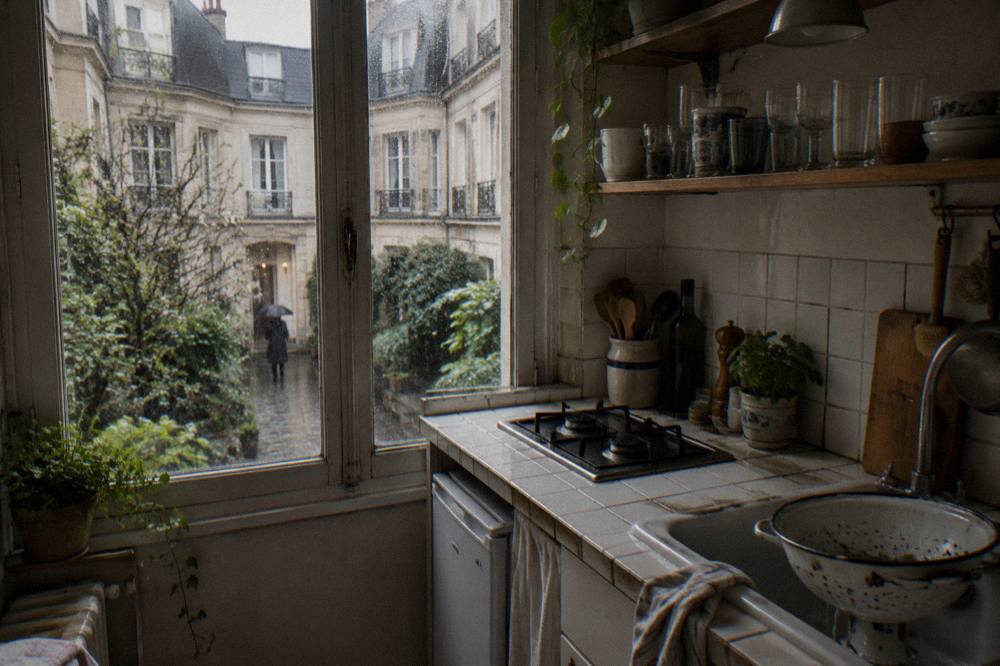
Appart'City Classic Paris La Villette sits in the 19th arrondissement and sells exactly the product a rental search is trying to find: an aparthotel, priced per unit rather than per bed, booked the way a hotel room is booked, with reception on site. For a reader weighing a marketplace apartment against something more predictable, it is the cleanest point of comparison on this site, and the total price on its listing is the number to beat.
Paris Rules That Matter More Than The Platform
Whatever platform you book through, Paris caps rentals of a primary residence at 90 nights per year, requires every furnished tourist rental to be registered with the city, and obliges the host to have foreign guests fill in an individual police form. A listing without a registration number is a compliance risk, not a bargain. These rules apply to the property, so the platform choice does not sidestep them.
The City of Paris limits rentals of a primary residence, defined as a home occupied at least eight months a year, to a maximum of 90 days per year. Renting beyond the cap carries a substantial fine per year of excess, and failing to register the property at all is also financially penalised. None of that is your fine as a guest, but an unregistered listing is one whose host is cutting corners, and corner-cutting hosts are the ones who cancel.
Registration numbers are the practical check. Every legal Paris listing must display a 13-character registration number, made up of a five-digit commune code, a six-digit identifier and a two-character check key, per the official service-public guidance. If a listing in Paris shows no registration number, that is a red flag regardless of which marketplace hosts it, and it is grounds to keep scrolling.
One more rule follows you rather than the host. Any landlord renting to a foreign guest, hotel or furnished rental alike, must have that guest complete an individual police form with name, birth details, nationality, home address, contact details and travel dates, under the official fiche individuelle de police rules. A host may lawfully refuse the rental if you decline to fill it in. It is routine paperwork, not an interrogation, but it explains why check-in for a rental is clunkier than for a hotel.
None of these rules distinguishes Vrbo from Airbnb. Both operate inside the same Paris regulatory frame, and both depend on hosts complying with it. When a comparison article promises that one platform is "safer" in Europe, what it is usually describing is a difference in verification badges or refund mediation, not a difference in the legality of the underlying property.
The Aparthotel Alternative: A Kitchen Without The Rental Lottery
An aparthotel is a serviced building of self-catering units sold like hotel rooms: you get a kitchen and a sitting area, plus reception, regular cleaning and a fixed, published tax treatment. In Paris that means the tourist tax is charged at the hotel rate for the property's star class rather than the five percent surcharge that can apply to unclassified rentals. For city breaks of two to five nights, the maths often favours them.
The tax point deserves a number. A classified three-star property in Paris, hotel or classified tourist residence alike, carries a tourist tax of EUR 5.53 per adult per night, all charges included. An unclassified rental, which covers a meaningful share of marketplace listings, pays five percent of the pre-tax nightly cost per person, plus additional taxes, capped at EUR 15.93. On an expensive nightly rate that cap is reachable, and it is per adult, per night. Tax is only one line of the bill, and our full comparison of hotel and Airbnb prices in Paris walks through nightly rates, group size, and the rental rules that shift the total.
Cleaning is the other silent cost. Marketplace rentals typically add a cleaning fee and expect you to leave the place swept; some hosts add checkout chores on top. An aparthotel's housekeeping is part of the stay, and there is no deposit held against your card for a week after departure. These are small things individually, but across a short stay they change how the holiday feels.
Adagio Access Paris Reuilly, in the 12th arrondissement near the Gare de Lyon side of the city, is the budget end of this format: compact units with kitchenettes at rates aimed at longer stays and self-catering travellers. It shares the aparthotel structure of its La Villette counterpart above, and like every property on this site its live price is the one to check before comparing it against any rental listing.
Between the two aparthotels, the choice mostly comes down to geography. La Villette suits arrivals via Gare du Nord and the canal-side north-east; Reuilly sits closer to Gare de Lyon and the Bastille end of the city. Both beat the rental lottery on certainty, which is precisely the dimension a Vrbo-versus-Airbnb debate is usually trying to solve.

Tourist Tax And The Unclassified-Accommodation Trap
Paris tourist tax runs EUR 2.60 per adult per night for hostels and one-star properties, EUR 3.25 for two-star and EUR 5.53 for three-star, all-in figures that already include the regional levies. Unclassified accommodation pays five percent of the room cost per person per night plus additional taxes, capped at EUR 15.93. Marketplace rentals are frequently unclassified, which is why their final bills surprise people. To see exactly who pays and who qualifies for exemptions, read our breakdown of whether tourist tax is charged per person or per room.
The full scale is published by the official taxe de séjour announcement for 2026, and the top of the scale, the palace rate, is exactly where the unclassified cap sits: EUR 15.93 per adult per night. A multi-night stay for two adults in an unclassified rental at a high nightly rate can therefore land at the palace rate on every single night, more than three times what the same nights would cost at a two-star hotel.
Collected at the stay rather than at booking, the tax is often presented as a surprise balance at checkout or a cash handover at key collection. Hotels fold it into the bill transparently. When you price a rental against a hotel, add the tax line to both sides before deciding, and remember it is per adult: children are exempt.
| Stay type | Classification basis | Tourist tax, per adult per night |
|---|---|---|
| Hostel or 1-star hotel | Classified, hostel row | EUR 2.60 |
| 2-star budget hotel | Classified | EUR 3.25 |
| 3-star hotel or aparthotel | Classified | EUR 5.53 |
| Unclassified rental | 5% of pre-tax room cost, plus levies | Up to EUR 15.93 |
The table is the whole argument in four rows. A classified budget hotel or a classified aparthotel has a known, capped tax bill. An unclassified marketplace rental has a tax bill that scales with the nightly rate, and you cannot always tell the classification from the listing page. Asking the host directly, before you book, is reasonable and quick.
Which Stay Type Actually Wins On Total Cost?
For one or two travellers on a short city break, a hostel bed or budget hotel room usually wins, because fees and per-person taxes scale against the rental. For three or more people sharing, a whole-unit rental or a family aparthotel unit pulls ahead, since one kitchen and one living room replace several hotel rooms. The crossover point is typically around three guests and four nights.
Single travellers get the worst rental economics. A one-bedroom studio carries the same cleaning fee whether one person or four sleep there, and the unclassified tax is per person, so a solo guest pays full freight on both. A dorm bed from around EUR 18 to EUR 40 a night, or a budget double room split by two, undercuts the rental total comfortably once everything is counted.
Groups invert the maths. Four friends sharing a two-bedroom apartment split the cleaning fee four ways and pay one tax rate each, and the kitchen replaces restaurant spending. That is the scenario Vrbo was built for, and it is where marketplace rentals earn their place. For groups, an aparthotel with family units is the direct competitor, worth pricing before committing either way.
Data from the industry points the same direction. Hotel group MEININGER's 2025 research put the average budget of French travellers for affordable city breaks at EUR 38.3 per person per night, a figure far below the all-in cost of most central Paris rentals, and closer to hostel and budget-hotel territory (see Average Hotel Cost). Stated plainly, the average traveller's budget and the average rental's true cost are different numbers.
Length of stay bends the curve further. Rental hosts often price weekly stays more generously than two- and three-night gaps, while hotels and aparthotels hold a flat nightly rate. A ten-night booking can therefore change the ranking, pushing the rental or the aparthotel ahead of the hotel on pure arithmetic, which is exactly why the stay-type decision has to be made per trip rather than once and forever.
How To Decide: A Short Checklist
Ask four questions before any booking: is the property registered, what is the all-in total including fees and tax, what happens if the host or you cancel, and does the stay type fit your group size? If a rental fails the first question, drop it. If an aparthotel or budget hotel matches it on the second, take the certainty. Groups of three or more are the only segment where rentals consistently win.
Run the registration check first. In Paris it costs nothing: look for the 13-character number on the listing, and treat its absence as disqualifying. Then rebuild the price from the checkout screen: nightly rate times nights, plus cleaning, plus platform service charge, plus tourist tax at the correct rate for two adults. Write that single total down.
Compare it against like-for-like stays. A reader deciding between apartment platforms should also read the site's guide on hotel versus Airbnb costs in Paris, which runs the same arithmetic with the roster's own prices, and the companion piece on cheap Paris apartments for short stays for the rental side of the fence.
Hotel Le 209 Paris Bercy represents the hotel end of the comparison: a budget property in the 12th arrondissement at the Bercy end of the city, where what you see on the listing is the whole deal, with the classified-property tax rate and no cleaning fee. For a solo traveller or a couple whose real priority is a cheap, dependable bed near the Gare de Lyon corridor, it is often the sensible answer to a question that started as Vrbo versus Airbnb.
The honest summary is unglamorous. Platform choice is a preference; stay type is a decision. Get the stay type right for your group size and trip length, verify the registration, count every euro of tax and fees, and either marketplace will treat you about the same. Get it wrong, and no refund policy fully compensates for a week in the wrong kind of bed.

Common Questions About Vrbo Versus Airbnb In Europe
Is Vrbo Better Than Airbnb In Europe?
Neither is reliably better. Both list the same underlying stock of Paris rentals inside the same city rules, so the outcome depends on the individual property's registration, fees and cancellation terms. For short city breaks, a classified aparthotel or budget hotel often beats both on total cost and certainty.
Do Paris rentals have to show a registration number?
Yes. Every furnished tourist rental in Paris must be registered with the city and display a 13-character registration number on its listing. Skipping registration exposes the host to a fine, so an unnumbered listing signals a host cutting corners.
Why is my rental's tourist tax so high?
Unclassified accommodation in Paris pays five percent of the pre-tax nightly cost per person, plus additional taxes, capped at EUR 15.93 per adult per night. Many marketplace rentals are unclassified, so their tax can exceed the EUR 3.25 to EUR 5.53 charged at classified two- and three-star properties.
Do I have to fill in a form at a Paris rental check-in?
Foreign guests must complete an individual police form with name, birth details, nationality, address and contact information, at hotels and furnished rentals alike. The host must keep it six months and may refuse the stay if you decline to complete it.
When is a whole-apartment rental actually worth it?
With three or more guests and roughly four nights or more. Sharing one cleaning fee and one kitchen across a group beats buying several hotel rooms, and the per-person tax is bearable when split. Solo travellers and couples almost always do better with a hostel bed, a budget double or an aparthotel.