Is It Cheaper To Stay Outside Paris?
The nightly rate drops the moment you cross out of the central arrondissements, but the metro fare and the tourist tax do not. Here is the honest maths.
Short answer
A room at the city edge usually costs less per night than the same room in the centre, and a single metro ticket is EUR 2.55 full price. Two round trips a day for two people adds roughly EUR 10 to the daily bill, so the edge wins when the nightly saving is clearly bigger than that.
Staying outside the tourist core of Paris saves money on the room, and costs money on the transport. Both halves of that sentence are true, and most advice only quotes the first half. The honest answer depends on three numbers you can check before booking: the nightly difference between a central room and an edge-of-city room, the metro fare you will pay each day, and the tourist tax, which is the same per star class whether you sleep in the 3rd arrondissement or the 18th.
Is It Cheaper To Stay Outside Paris?
Yes, in most cases, staying outside Paris is cheaper than staying in the city itself, though often by less than you might hope. The headline rates make the gap look big, but the actual savings you see when booking tend to be smaller than those numbers suggest, so plan your budget with that in mind. A room in the outer arrondissements or at the city boundary typically lists for less than a comparable room in the centre, and a single metro ticket costs EUR 2.55 at full price inside the whole network. A traveller making two round trips into central Paris each day spends roughly EUR 5 on fares, and a couple roughly double that. When the nightly saving at the edge beats those fare totals comfortably, the edge wins on total trip cost. When the gap between rates is thin, it usually does not, and the extra ride time tips the balance back toward the centre.
The comparison that matters is not "Paris versus the suburbs" as a single question. It is three separate questions. First, staying inside Paris but at its edge, in the 17th, 18th or 12th arrondissement, still on the Paris metro network. Second, staying in a proper suburb just outside the city limits, which means a longer ride and sometimes a different fare zone. Third, staying far out, near an airport or Disneyland, which only pays off if you actually need to be there.
This guide works through the maths for each case using real fares and the real tax rules, then looks at the edge-of-city properties that deliver the saving with the shortest possible commute. If you are still deciding between a hotel room and a rental flat, the hotel versus apartment cost comparison covers a different axis of the same decision.
What You Actually Pay At The City Edge Versus The Centre
Nightly rates are highest in the truly central arrondissements and fall as you move outward toward the city edge, but the drop is far from even. The steepest fall sits between those truly central districts and the ring of arrondissements around them, with smaller differences from there out to the edge. Rooms in the outer arrondissements sit in a lower price band than equivalent rooms in the core, while tourist residences and hostels compress the gap at the bottom of the market. A dorm bed in the 19th arrondissement can start at EUR 18 per night, and a hybrid property in the 18th combines dorm beds and private doubles from around EUR 40 per night. The centre cannot match those floor prices, and that is the clearest saving the edge offers a budget traveller.
Two new openings show where the cheap-sleep market at the city edge is heading. Glint, at 66 boulevard Barbès in the 18th, is Honotel's first hybrid hotel: 50 rooms split between 42 dorm-bed rooms and 8 private doubles, with rates from EUR 40 per night. Hostelle, which the City of Paris bills as the first women-only hostel in the city, opened in June 2026 in the 19th near the Canal de l'Ourcq, with dorm rooms of 4 to 18 beds and beds starting at EUR 18 depending on room size. Both sit well outside the tourist core, and both price accordingly.
For context on what the mainstream market looks like, the UMIH hotel observatory put the average Paris hotel room at EUR 217.5 per night in April 2026 across all categories, and EUR 176.8 in February. Those averages include every palace and four-star in the city, so they are far above the budget range, but they show the direction of travel: even the citywide average moves with season, and the cheap end moves with it.
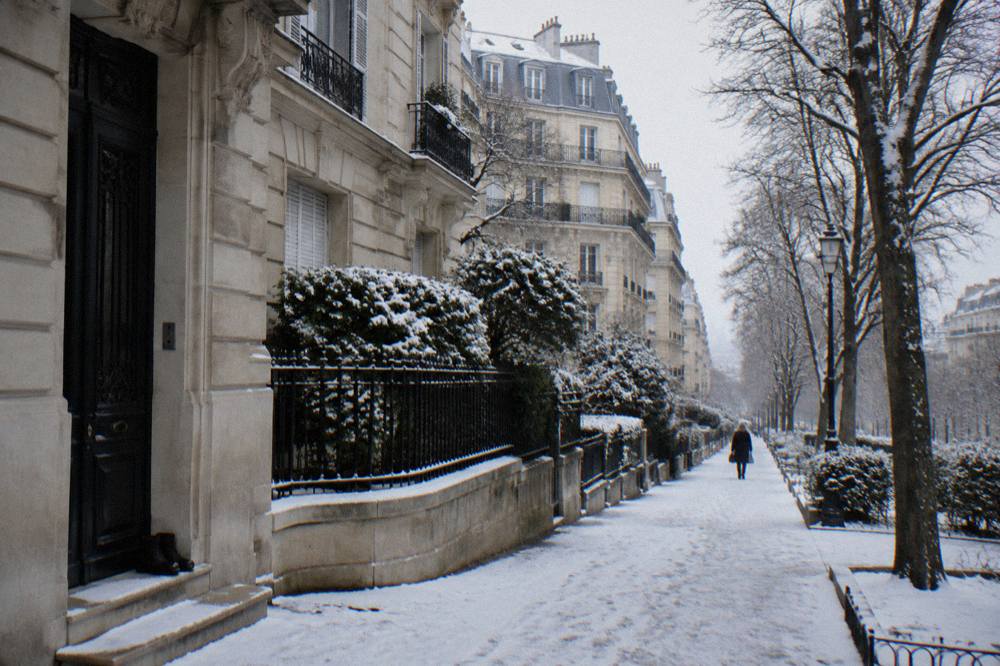
The roster's edge properties illustrate the pattern. Kyriad Paris 18 Porte de Clignancourt sits at the northern boundary of the city, with the metro at the door for the ride into the centre. BB Hôtel Paris 17 Batignolles stands in the 17th, a short hop from the leafy Batignolles quarter on one side and the ring road on the other. MEININGER Paris Porte de Vincennes anchors the eastern edge, straddling the hotel-hostel format, with dorm beds from €20 per person. Each keeps its nightly rate on its own property page, and each one exists precisely because the land price at the boundary is lower than the land price three metro stops in.
A rough planning table, using the fare and tax figures that are verified, helps frame the decision before you look at any specific rate:
| Cost item | Central stay | Edge-of-Paris stay |
|---|---|---|
| Single metro ticket, full price | EUR 2.55 | EUR 2.55 |
| Airport ticket (CDG or Orly) | EUR 14.00 full price | EUR 14.00 full price |
| Tourist tax, 2-star hotel | EUR 3.25 per adult per night | EUR 3.25 per adult per night |
| Tourist tax, 3-star hotel | EUR 5.53 per adult per night | EUR 5.53 per adult per night |
| Tourist tax, hostel or 1-star | EUR 2.60 per adult per night | EUR 2.60 per adult per night |
| Extra daily fares, solo traveller, two round trips | Roughly EUR 0 | Roughly EUR 5 |
Read that last row against the nightly rate difference. If the edge room is more than about EUR 5 cheaper per night for a solo traveller on a two-trip day, you are ahead. Couples roughly double that benchmark, since two people ride, and families with teenagers should note the tax line as well: the tax applies to adults only, so a family pays it per adult, not per room.
How Much The Commute Into Central Paris Costs
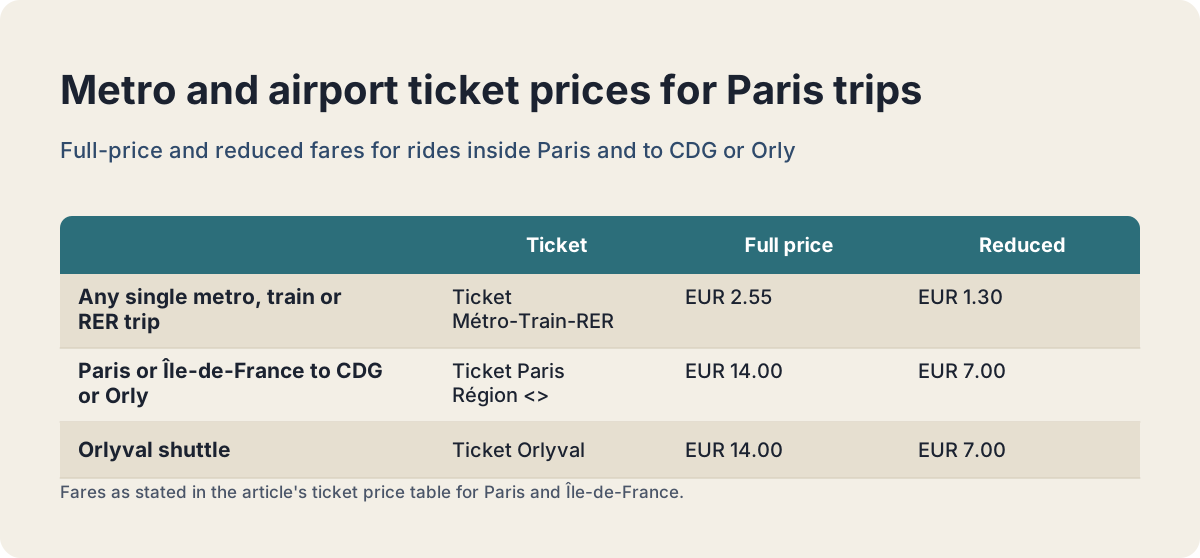
Expect to pay EUR 2.55 for a full-price single journey within the Paris metro network, or EUR 1.30 at the reduced rate. If you are arriving by air, the airport ticket costs EUR 14.00 and covers travel from both Charles de Gaulle and Orly into the city. Two round trips a day for one traveller is roughly EUR 5 in single tickets, and a couple on the same pattern roughly doubles that outlay. That is the entire transport penalty of an edge-of-city stay, provided the property sits inside the normal metro map and inside the flat single-ticket zone. Cross the ring road into a true suburb and that certainty disappears, which is why the boundary matters as much as the distance.
The airport ticket deserves a closer look because it replaced the old separate Orly and CDG tickets. The Ticket Paris Région <> Aéroports costs EUR 14.00 full fare and EUR 7.00 reduced, covers travel between Paris or Île-de-France and either airport, and allows connections for two hours from first validation without exiting the network. Orly runs on metro line 14 and Charles de Gaulle on the RER B. The fare is the same whether you start the journey from a central address or from an edge arrondissement, so proximity to the airport only matters if you are sleeping out there.
One timing caveat matters for late arrivals. Early closures on the RER B line to Charles de Gaulle are reported to last until December 2026, with trains stopping at 22:45 on most nights through the end of September, as part of the wider works programme. From October to December 2026 the RATP and SNCF are running an extensive works campaign across the Île-de-France network, with near-daily interruptions on metro, RER and Transilien lines, especially weekends and late evenings. Two specific closures to note: Saint-Michel on line 4 is closed until December 19, 2026, and République on line 8 until April 22, 2027. None of this changes the fare, but it can change your route home to an edge property, so check your specific line before assuming a 30-minute ride.
| Journey | Ticket | Full price | Reduced |
|---|---|---|---|
| Any single metro, train or RER trip | Ticket Métro-Train-RER | EUR 2.55 | EUR 1.30 |
| Paris or Île-de-France to CDG or Orly | Ticket Paris Région <> Aéroports | EUR 14.00 | EUR 7.00 |
| Orlyval shuttle | Ticket Orlyval | EUR 14.00 | EUR 7.00 |
The full fare table is published by the regional transport authority, and the 2026 Île-de-France Mobilités tariff page is the source for every figure above. A pass can beat single tickets once you pass four or five rides a day, and press reports suggest fare changes are being considered for 2027, including a merged single ticket at EUR 2.45, though that remains a proposal facing a board vote rather than an adopted tariff.
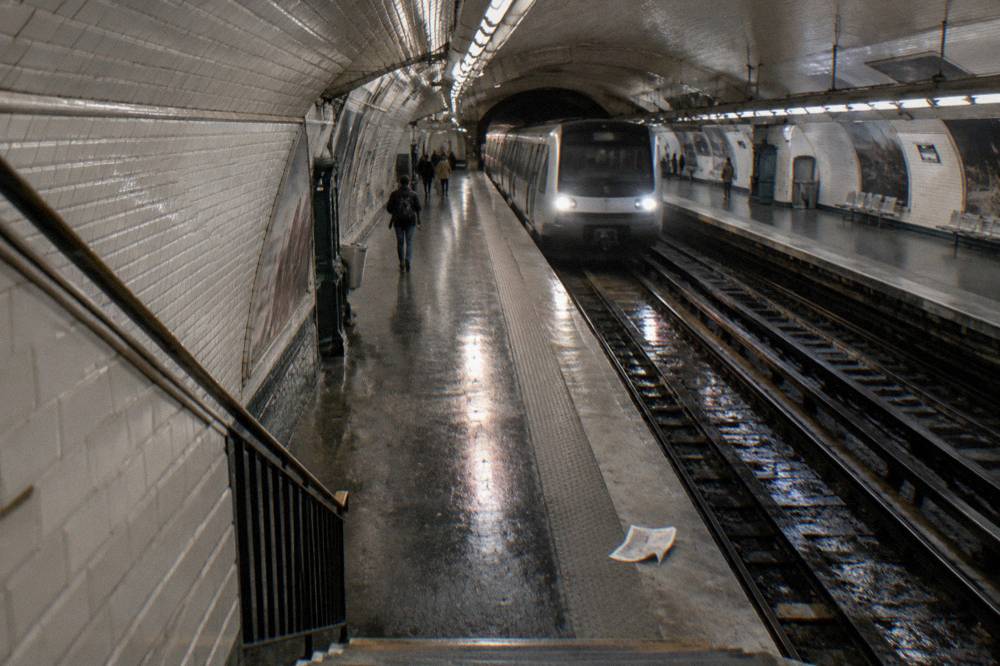
Against that fare structure, the edge arrondissements hold a structural advantage over the suburbs: they are on the same ticket. Staying at Porte de Clignancourt or Porte de Vincennes means your EUR 2.55 ticket behaves exactly as it would from a central address, with no zone penalty and no separate suburban rail fare. That is the quiet argument for the boundary over the beyond.
Kyriad Paris 18 Porte de Clignancourt makes this concrete: it stands at the Porte de Clignancourt end of line 4, which runs straight through the heart of the city, so the commute is one seat, no transfer, on a standard single ticket. For a traveller weighing a suburb stay against a boundary stay, that single-seat test is worth more than any nightly-rate gap of a euro or two. Check availability alongside the Kyriad's own property page.
Edge Arrondissements Versus The Suburbs: Which Wins?
For a typical sightseeing trip, the edge arrondissements win. They capture most of the rate saving that tempts travelers out to the suburbs, while still keeping you on the flat Paris metro fare and inside the city at night, so you get the lower price without giving up the convenience of staying in Paris itself. The suburbs can win on raw nightly rate, but every suburb saving must be weighed against longer rides, more frequent changes, and the fragility of a suburban rail connection during the current works season, when RER and Transilien lines carry much of the disruption. No suburb price is quoted here because suburb rates fall outside the verified Paris price data; the comparison below uses only the costs that are verified, chiefly the flat single fare and the star-class tourist tax.
| Factor | Edge arrondissement (17th, 18th, 12th) | Suburb beyond the ring |
|---|---|---|
| Single ticket covers the ride to the centre | Yes, EUR 2.55 | Depends on zone and rail line |
| Tourist tax basis | Paris grid by star class | Different municipal grid, not covered here |
| Late-night metro back | Available on most lines | Often a suburban train or bus instead |
| Exposure to works closures | Same as central Paris | Higher, RER and Transilien carry much of the works |
| Airport access | EUR 14.00 ticket | EUR 14.00 ticket, sometimes with a longer first leg |
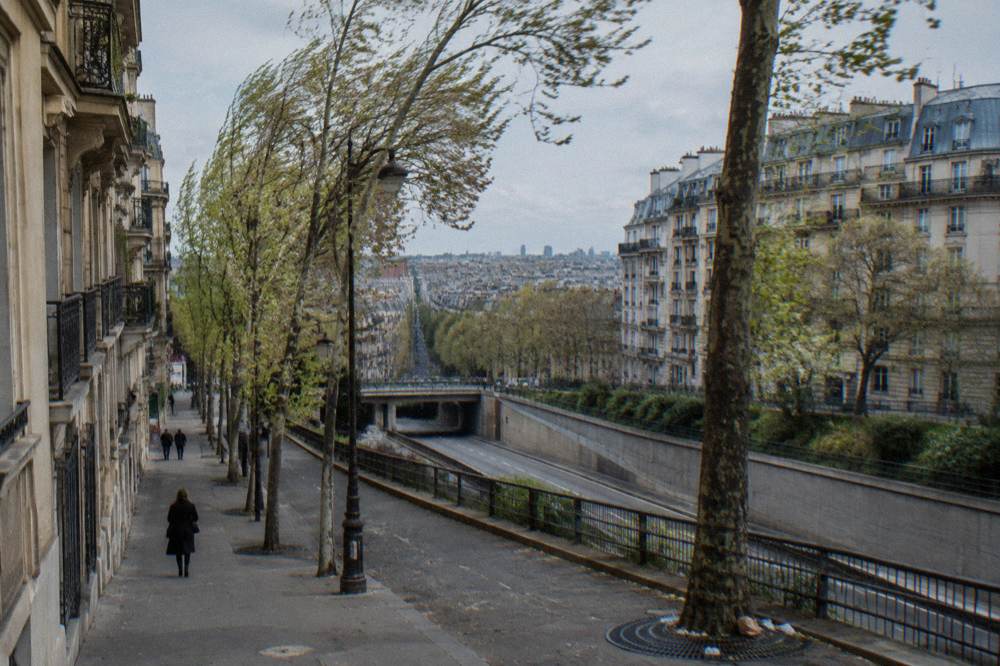
The verdict has exceptions. If your trip is built around Disneyland Paris, a hotel near the park beats a daily cross-city commute, and the guide to budget hotels near Disneyland Paris covers that case directly. If you have an early morning flight, the properties around Charles de Gaulle, covered in the budget hotels near Charles de Gaulle guide, trade a city view for sleep. And if you are staying a week or more, a longer commute at a much lower weekly rate can still net out, though the maths needs the same fare-per-day discipline.
There is also a market signal worth reading. The pipeline at the city edge is expanding: Covivio announced in October 2026 a deal with Generator to convert an office building in the 13th arrondissement into a hostel with 91 rooms and 454 beds, scheduled to open in late 2029, with singles, family rooms and 4, 6 and 8-bed dorms, some with private terraces. Investors are putting budget beds at the boundary because that is where the demand and the floor space meet. Travellers are following the same logic.
Tourist Tax And The Extra Costs That Follow You Outward
The tourist tax does not fall when you leave the centre: inside Paris it is set by star class, so a 2-star room at the boundary pays the same EUR 3.25 per adult per night as a 2-star room in the Marais. The rates from January 1, 2026 are EUR 2.60 for hostels and 1-star stays, EUR 3.25 for 2-star, and EUR 5.53 for 3-star, all per adult per night and all including the regional levies stacked on top of the base tax. Since 2025 an additional Île-de-France Mobilités levy of 200 percent of the base tax has applied across Paris and the region, which is why the all-in figure matters more than the base rate.
Two practical notes follow. The tax is charged per adult, never per room, so two adults in one room pay double one adult's rate; minors are exempt. And it is collected at the property during the stay, not at the moment of booking, so the price you see online is not the final nightly cost. For a full walkthrough, see the Paris tourist tax explained guide.
| Accommodation class | All-in tax per adult per night |
|---|---|
| Hostel or 1-star | EUR 2.60 |
| 2-star hotel | EUR 3.25 |
| 3-star hotel | EUR 5.53 |
| 4-star hotel | EUR 8.45 |
| Unclassified accommodation | 5% of the pre-tax nightly cost per person, capped at EUR 15.93 |
The unclassified row matters more at the budget end than most travellers expect, because small independent properties and furnished rentals sometimes carry no classification at all. The official service-public.fr notice on the 2026 taxe de séjour sets out every rate above. At a cheap nightly rate, 5 percent is small, but the rule is a reason to ask any small property which class it holds before you assume the hostel rate applies.
One more cost behaves the same at the edge as in the centre: the police registration form. Foreign guests at any tourist accommodation in France, hotel or rental, fill in a fiche individuelle de police with name, date and place of birth, nationality, home address, contact details and dates of stay. It is a form, kept by the host for six months, not a document check. It adds nothing to the bill either way; it is simply part of checking in anywhere in the country.
Choosing An Edge Property Without Overpaying
Pick the boundary first, then the property: the 17th, 18th and 12th arrondissement edges each pair a lower rate band with a direct metro line, and the property you choose inside that band should sit within a short walk of the station. The three edge properties on this site's roster cover the three formats a budget traveller actually books: a classic chain hotel room, a no-frills budget chain, and a hotel-hostel hybrid. MEININGER Paris Porte de Vincennes, at the eastern boundary on the line 1 corridor, lists dorm-style beds from €20 per person, a setup that suits travelers who rank location above room type; the property page shows the live rate, and the brand's 2025 guest research reported an average French city-break budget of EUR 38.3 per person per night, a useful sanity line for what "cheap" means in this market.
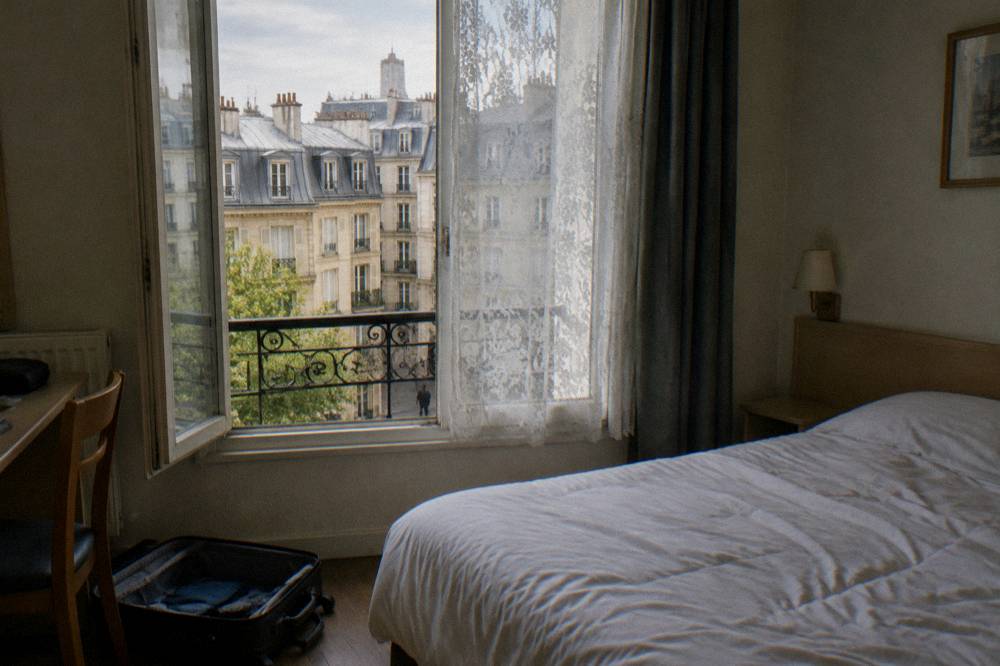
BB Hôtel Paris 17 Batignolles takes the other flank, in the 17th near the Batignolles quarter, where the ring road is close but so is one of the city's more pleasant low-cost neighbourhoods for an evening walk and a shop. The budget-chain format keeps the room simple and the rate transparent; the price basis, per double room, is on its property page. For travellers who want the chain-reliability question answered more broadly, the chain budget hotels worth booking guide compares the brands, and the budget hotels by price band guide shows where each property lands in the market.
The booking tactic that matters most at the edge is timing, and not in the way most people assume. Occupancy in Paris hotels ran at 85.1 percent in July 2026, and the city welcomed 13.3 million tourists between June and August 2026, a 3 percent rise on the previous summer, with their spending reaching 7 billion euros. Cheap rooms at the boundary sell out before cheap rooms in the centre, because there are fewer of them and the price-sensitive segment books them first. The practical sequence: book an edge property early with free cancellation, then keep watching rates and shift only if a genuinely cheaper option appears. Cheap Hotels In Paris exists precisely to make that comparison quick, with every verified property's rate basis stated plainly.
When The Suburbs Actually Make Sense
Three situations justify sleeping beyond the city limits: an early flight or late arrival at Charles de Gaulle, a Disneyland-first itinerary, and long stays of a week or more where the fare penalty is dwarfed by the rate saving. Outside those cases, the edge arrondissements deliver the cheaper total trip, because the commute cost stays flat while the commute time, and its fragility during works, both rise sharply once you cross the ring. The maths is not close for a short sightseeing visit: a couple riding into the centre twice a day spends only a modest amount on single tickets, and no plausible suburb saving compensates for a fragile last train home.
The airport case is the most clear-cut. If your flight leaves at 7 a.m., the value of sleeping near the terminal is not measured against the room rate but against the alarm clock you avoid. The same EUR 14.00 airport ticket applies in both directions, but a 15-minute shuttle beats a 5 a.m. RER ride, especially in a season when the RER B is carrying early closures toward CDG until December 2026.
The long-stay case is arithmetic. A couple at the edge pays two round-trip fares per person per day at EUR 2.55 a journey, a bill that compounds quickly over a fortnight but still only needs the suburb rate to undercut the edge by a few euros per night to break even. That paper advantage evaporates if any evening ends after the last convenient train, and works closures through December 2026 make suburban rail the least reliable leg in the region. Weigh accordingly, and remember that trip length itself changes the calculus; the how many days are enough for Paris piece is useful here, because the shorter the trip, the stronger the case for staying inside the city.
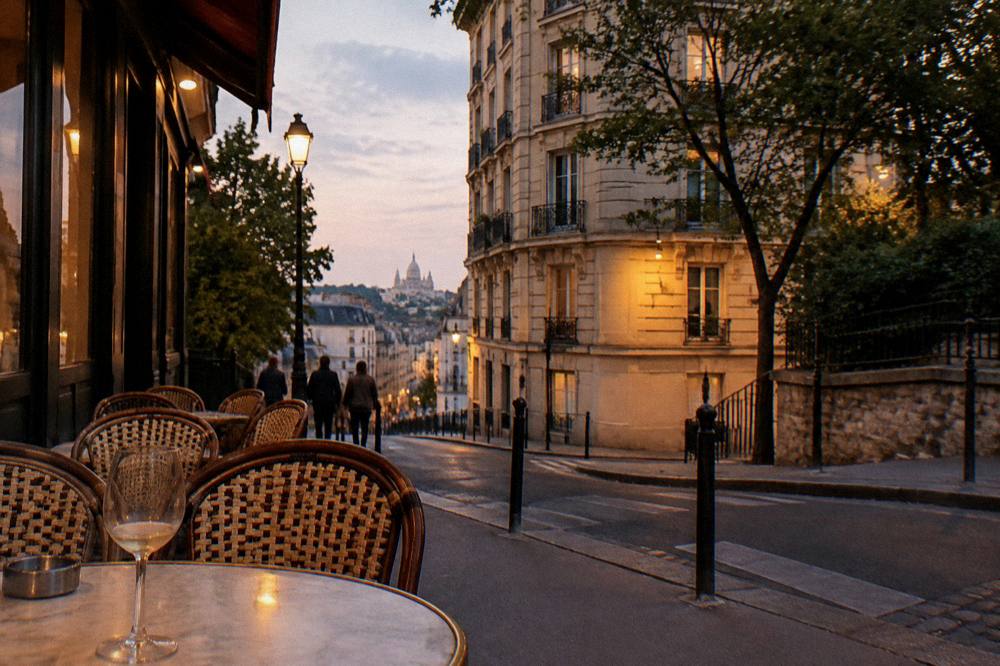
Finally, a note on what the boundary itself feels like, because rate maths is not the whole decision. The edge arrondissements are real Paris: markets, bakeries, schools, the ordinary city at ordinary prices. The suburbs are real places too, but they are a different register, and evenings end earlier when dinner is a train ride from your bed. For most short trips, the edge wins on money and on experience at once, which is the rare case where the cheap choice is also the better one.
Kyriad Paris 18 Porte de Clignancourt remains the cleanest single example of the argument: a chain hotel room at the northern city boundary, line 4 at the door, the flat metro fare into the centre, and a rate band below its central equivalents. Its nightly price is on the property page, and the tourist tax at its class is the same EUR figure you would pay three arrondissements south.
Where The Cheap Sleeps Are Heading At The Boundary
The budget bed supply at the Paris boundary is growing fast, which should keep edge rates competitive for years: two hybrid or hostel openings landed in 2026 alone, and a 454-bed Generator property is scheduled for the 13th arrondissement in late 2029. More supply at the boundary means the rate gap against the centre has a reason to persist rather than close. For a traveller, that makes the edge a durable strategy rather than a temporary bargain.
The pattern is visible across the openings already mentioned. Glint put 42 dorm-bed rooms and 8 private doubles behind a single front desk at Barbès. Hostelle built a women-only format with dorms of 4 to 18 beds in the 19th, a segment the city had not served. Generator's announced Place d'Italie conversion adds singles, family rooms and 4, 6 and 8-bed rooms, some with terraces, to the 13th. Each one sits at or beyond the line where central land prices stop applying.
What that means for your booking is simple. The edge is not a compromise anymore; it is where the newest cheap beds in Paris are being built. Anchor your trip on the boundary, hold it with a free-cancellation rate, and let the EUR 2.55 ticket do the rest. The suburbs have their three narrow cases, and the centre has its convenience premium, but the arithmetic of a short visit usually lands here.
Common Questions About Staying Outside Paris
Is it cheaper to stay outside Paris?
Usually yes, but by less than the nightly rate suggests. Rooms at the city edge list for less than central equivalents, while the metro fare is EUR 2.55 per single trip either way. A couple making two round trips a day spends about EUR 10 on fares, so the edge wins when the nightly saving clearly beats that.
Do I pay less tourist tax outside central Paris?
No. Inside Paris the tax is set by star class: EUR 2.60 per adult per night for hostels and 1-star stays, EUR 3.25 for 2-star and EUR 5.53 for 3-star, identical at the boundary and in the centre. It is charged per adult, never per room, and collected at the property during your stay.
Does the metro ticket cost more from the edge of Paris?
No. Any single metro, train or RER trip inside the network is EUR 2.55 at full price, EUR 1.30 reduced, whether you board at Porte de Clignancourt or in the city core. Suburban rail beyond the city limits is a different matter and depends on the line and zone.
Is it worth staying near Charles de Gaulle airport?
Only for early flights or very late arrivals. The airport ticket is EUR 14.00 full price from anywhere in Paris, so the saving is not on the fare but on the morning stress. RER B works toward CDG have brought early closures reported to last until December 2026, which strengthens the case on early departure days.
What is the cheapest way to sleep near the edge of Paris?
A hostel dorm bed is the floor: Hostelle in the 19th lists beds from EUR 18 per night, and Glint at Barbès in the 18th runs dorm-bed rooms and private doubles from about EUR 40. Add EUR 2.60 per adult per night in tourist tax at the hostel class, plus fares, when comparing totals.