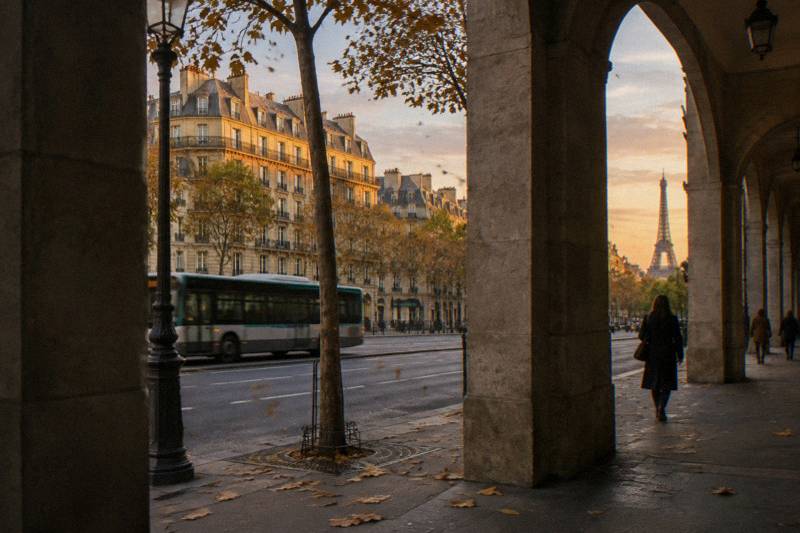
Is It A Good Idea To Stay Near The Eiffel Tower?
A candid look at whether a stay near the Eiffel Tower is worth the money, what the area really costs, and which cheaper neighbouring districts give you a better night for less.
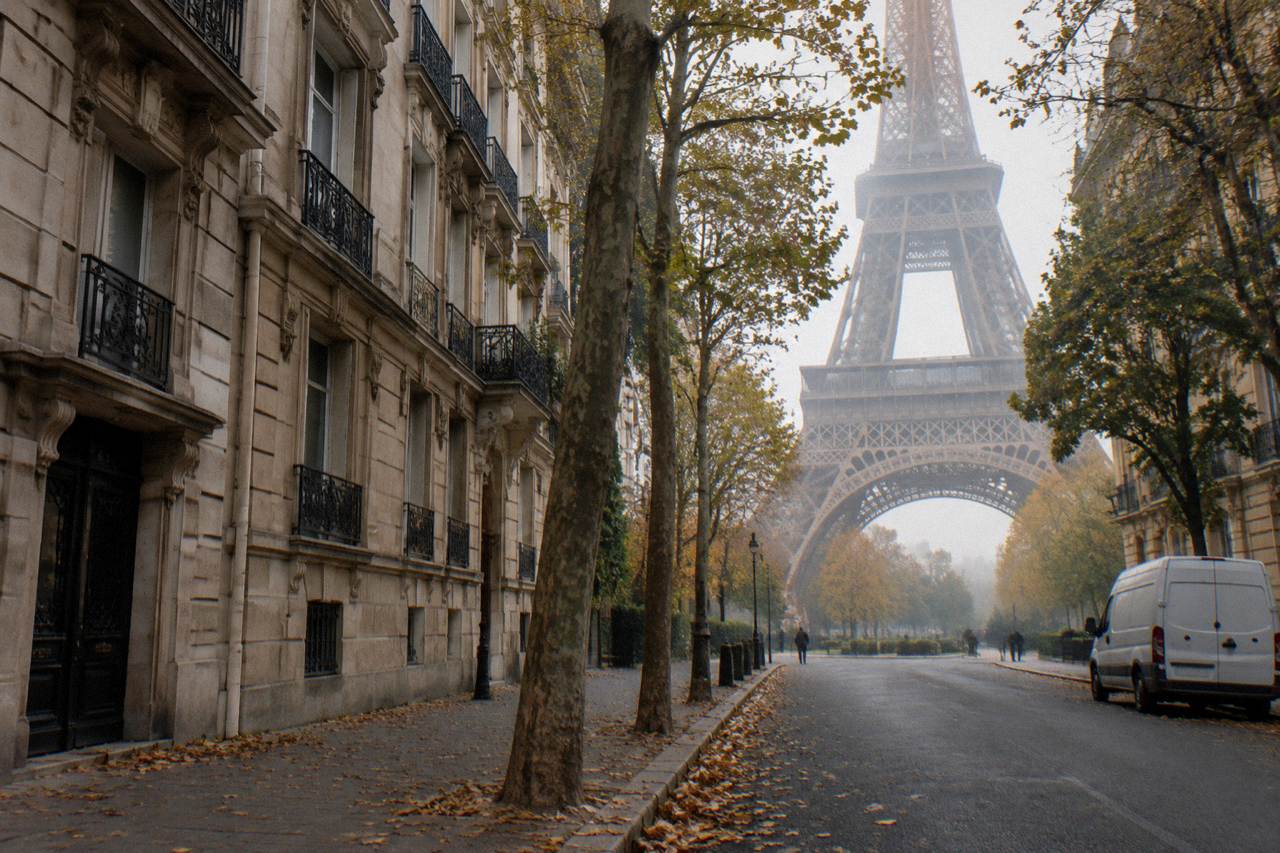
Paris hotel prices ran at an average of EUR 217.5 per room per night in April 2026 across all categories, according to the UMIH hotel observatory, and the districts around the Eiffel Tower sit on the expensive side of that average. Yet the tower itself is not surrounded by hotels the way the Grands Magasins or Gare du Nord are. The 7th arrondissement is largely residential, dotted with ministries and embassies, and its accommodation stock is thin and priced accordingly. Deciding whether to stay near it is really a decision about paying a location premium in a neighbourhood with fewer beds, fewer late-night options and a longer walk to most of the things people come to Paris for. If you still want to wake up near the tower without paying the full location premium, our rundown of wallet-friendly hotels near the Eiffel Tower points to the few affordable beds in the neighbourhood.
Is It A Good Idea To Stay Near The Eiffel Tower?
Only if the tower view itself is the point of your trip. The immediate area has a thin supply of rooms, prices well above the city average, and a quiet, residential rhythm after dark. For a budget traveller, the smarter play is a cheaper bed one or two metro stops out: the same line 6 or RER C ride costs EUR 2.55 and takes minutes, while the savings per night can fund an extra day in the city.
The honest starting point is supply. There is no budget hotel cluster around the tower, and this site's own verified roster of 33 cheap properties contains none in the 7th arrondissement. That is not an oversight in the research; it reflects the neighbourhood. The streets climbing away from the Champ de Mars are elegant, quiet and mostly apartment blocks, and the hotels that do exist there trade on their addresses. When cheap beds are scarce, cheap prices disappear. If affordable beds matter more than a famous address, our plain guide to Montmartre as a cheap place to stay shows where budget hotels in Paris actually cluster and who should look elsewhere.
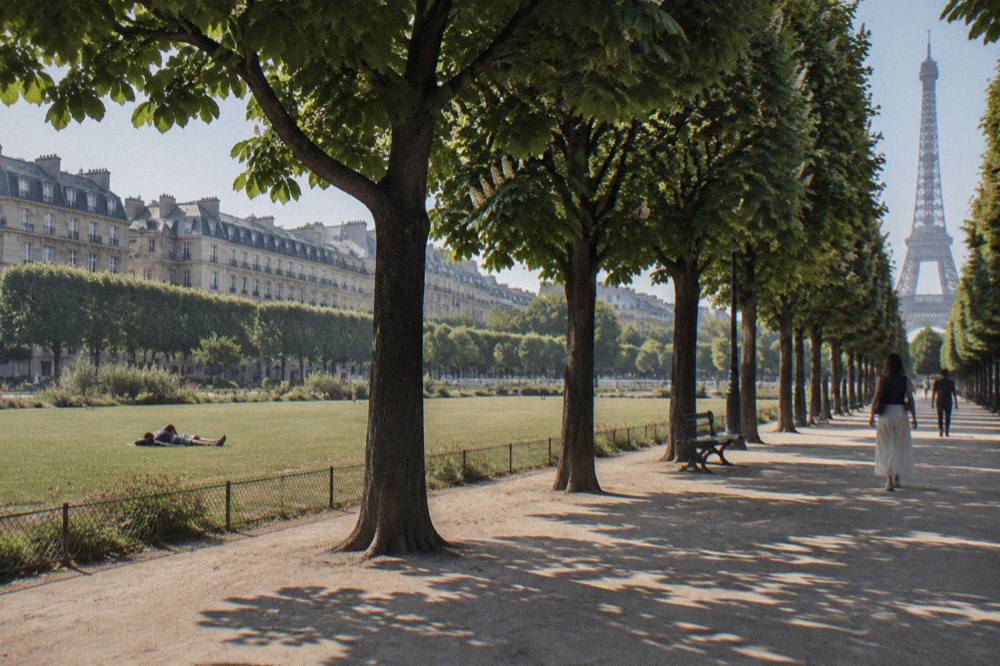
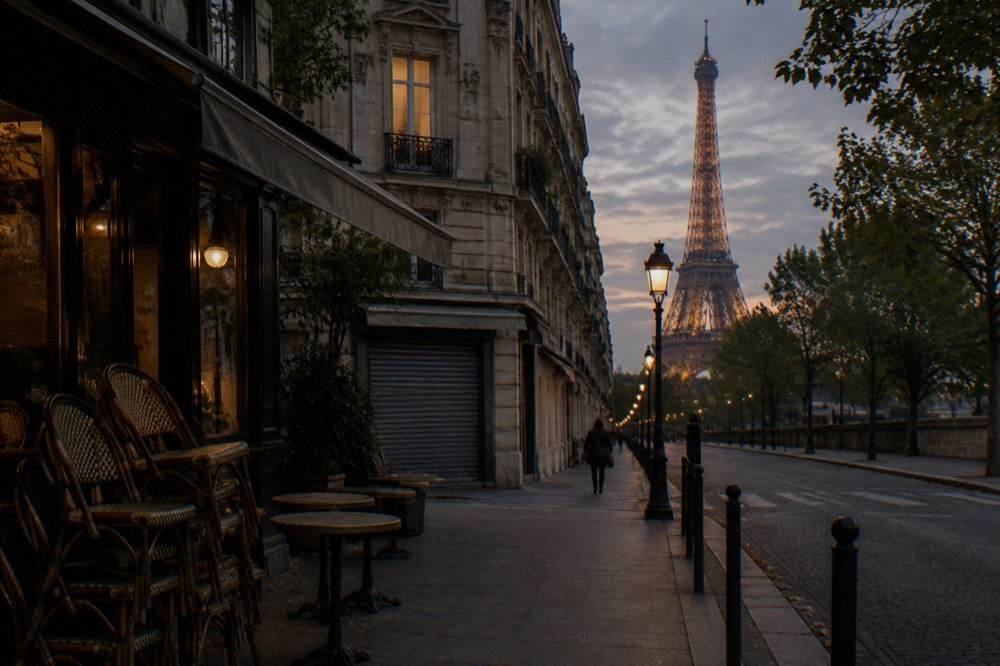
What you get in exchange is genuinely pleasant: morning light on the Seine, the tower appearing at the end of streets, cafés serving residents rather than crowds. The trade is money and convenience. Most first-time visitors spend their days in the Louvre area, the Marais and Montmartre, all of which are on the far side of the city from the 7th, and each of which is easier and cheaper to sleep in.
There is a second, subtler cost that budget travellers often miss until they arrive: the 7th's quiet is not just an evening feature, it is a daily rhythm. Bakeries close early, shops are sparse outside the Rue Cler pocket, and the nearest late food can be a twenty-minute walk. In the 14th or 15th you step out of a budget hotel onto a street with a pharmacy, a bakery and a brasserie still serving at eleven. That difference compounds over four or five nights, and it is the kind of thing no listing photograph shows.
For context on what a good value bed looks like when you move just outside the 7th, three properties in the site's roster make a useful comparison set: Hotel Madrigal near Pasteur station, Hotel Boileau, and La Maison Montparnasse. Prices and availability for all three are on their property pages.
What Does A Room Near The Eiffel Tower Actually Cost?
Expect to pay well above the Paris average of EUR 217.5 per night that the UMIH observatory recorded for April 2026, and often with a tourist tax of EUR 5.53 per adult per night on top if the hotel carries three stars. Occupancy in July 2026 hit 85.1 percent, so summer dates near the tower sell out early and rarely discount. A budget traveller shopping this area competes with people who set no budget.
The price mechanics matter more here than in most of Paris. The 7th has few two-star and budget properties, so the cheap end of the market barely exists. What rooms are available cluster in the three-star and four-star bands, and those carry the higher all-in tourist tax rates: EUR 3.25 per adult per night for a two-star, rising to EUR 5.53 for a three-star, under the tariff in force since January 2026, with the Île-de-France Mobilités levy included in those totals. A couple in a three-star near the tower is paying EUR 11.06 per night in tax alone before the room.
Set that against what a move of one or two arrondissements does. A double room at Hotel Madrigal, which sits near the Pasteur metro station on line 6, the elevated line that runs directly toward the tower, is priced on its property page well below what a comparable room in the 7th asks for. The same is true of Hotel Boileau and of La Maison Montparnasse, both of which trade on being one cheap transit ride from the Champ de Mars rather than a short walk from it. The walk is what costs the money; the ride costs EUR 2.55.
It helps to see the shape of the trade rather than a single invented number, because no figure for a specific 7th hotel appears in this site's verified data. The observatory gives you the ceiling: EUR 217.5 was the all-category Paris average in April 2026, and the tower district sits above it, while the budget properties listed above sit below it by design. The tourist tax is fixed by star class and identical everywhere in the city, so the tax cannot be dodged by moving, only the room rate can. What moves, then, is pure room-rate savings, repeated every night of the stay, against a transit cost of EUR 2.55 per person per tower visit. For any stay longer than a night or two, the room-rate gap wins, and it is not close.
Which Cheaper Areas Give You The Tower Without The Price?
The 15th arrondissement, just south of the 7th on the same side of the river, is the classic answer: largely residential, noticeably cheaper, and served by line 6, which runs along the river with the tower in view for much of the ride. Montparnasse in the 14th and the streets around Vaugirard and Pasteur offer budget hotels and direct line 6 access too. A bed in these areas plus a carnet of metro tickets consistently beats a room in the 7th on total trip cost.
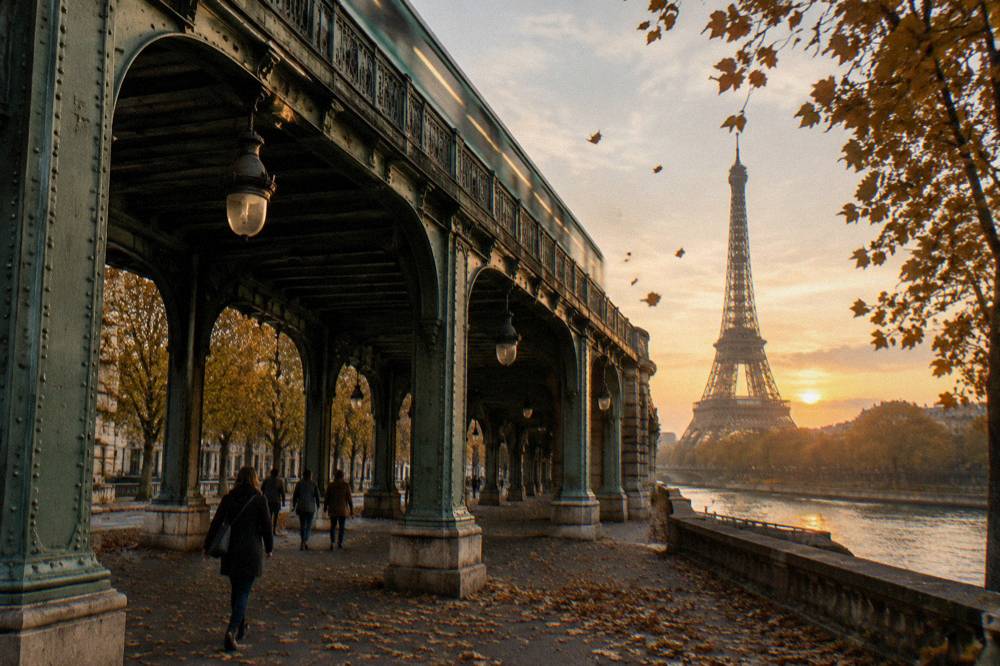
Line 6 is the budget traveller's friend in this part of Paris. It is elevated for long stretches, crosses the Seine at Bir-Hakeim with a full view of the tower, and links Montparnasse, Pasteur, La Motte-Picquet and Bir-Hakeim in a straight run. A guest at Hotel Madrigal near Pasteur boards line 6 and rides toward the tower without a transfer. Hotel Boileau and La Maison Montparnasse sit on the same side of the river, in the 16th and 14th respectively, both within reach of the same corridor.
Hotel Madrigal, near Pasteur station in the 15th, is the roster's clearest example of the trade: a private double room at a budget price, with the tower reachable by a direct metro ride. Its nightly rate is listed on its property page, and the comparison with the 7th's asking prices is the whole argument of this article. When the difference covers two or three nights of meals, the tower stop becomes a destination rather than a doorstep.
For readers weighing the neighbourhood question more broadly, the site's guide to budget hotels near the Eiffel Tower breaks down the surrounding areas property by property, and the ranked guide to the cheapest arrondissements in Paris by price places the 7th against every other district.
One thing to plan around if you do stay near the tower: transport works. From October to December 2026 the RATP and SNCF are running extensive works across the Île-de-France network, with almost daily interruptions on metro, RER and Transilien lines, especially on weekends and late evenings, as reported in October 2026. The Saint-Michel stop on line 4 is closed until December 19, 2026. Line 6 itself has been affected by earlier summer works; check the live service status before committing to a commute-dependent booking.
A related planning note for anyone arriving from abroad: whichever district you choose, foreign guests are asked to fill in an individual police registration form at check-in, giving name, date and place of birth, nationality, address and contact details. This applies to hotels and to furnished tourist rentals alike, it is standard practice rather than a red flag, and a host may refuse the stay if the form is declined. Knowing this in advance makes an 11pm arrival into a small budget hotel in the 15th smoother than the same arrival into a quiet 7th property with a night-desk skeleton crew.
Is The 7th Arrondissement Good For Anything Besides The Tower?
Yes, and this is the honest case for it: the Musée d'Orsay, the Rue Cler market street, the Rodin Museum and some of the calmest riverside walking in Paris all sit in the 7th. If your ideal Paris day is museums and quiet dinners rather than nightlife and dense sightseeing, the neighbourhood fits. What it does not offer is late-evening energy or a dense cluster of cheap eating options; it empties early.
The museum argument is real but asymmetric. The Louvre, the city's biggest draw, sits on the opposite bank and across the city centre from the tower, with admission at EUR 22.00 for EEA visitors and EUR 32.00 for non-EEA visitors since January 2026. Staying in the 7th puts you close to the Orsay and far from the Louvre; staying in the Marais reverses that. Neither wins outright, but the Marais, the Latin Quarter and Montmartre all have budget beds and evening life, while the 7th largely has neither.
Nightlife and dining are the practical weak point. The 7th's restaurant scene skews formal and expensive, and after about ten in the evening the streets around the Champ de Mars are quiet. Travellers who want to step out of their hotel into bars and budget brasseries consistently do better in the 11th, the Marais or along the Canal de l'Ourcq, where the new women-only hostel Hostelle opened in June 2026 with dorm beds from EUR 18 per night, in a part of the 19th that has become one of the city's better-value night-time districts.
| Factor | Staying in the 7th near the tower | Staying 1-2 metro stops out (15th / 14th / 16th) |
|---|---|---|
| Room price level | Above the Paris average of EUR 217.5 per night | Budget doubles available; see property pages for rates |
| Budget bed supply | Very thin; no roster property in the 7th | Several, including Hotel Madrigal, Hotel Boileau, La Maison Montparnasse |
| Tourist tax (3-star) | EUR 5.53 per adult per night | Same rate applies city-wide by star class |
| Getting to the tower | On foot | Direct line 6 ride, EUR 2.55 single ticket |
| Evening dining nearby | Formal, expensive, quiet after 22:00 | Mixed and generally cheaper, especially in the 14th |
| Getting to the Louvre | Across the city centre | Also across the city centre; no advantage either way |
When Is Paying The Premium Actually Worth It?
Three situations justify it: a one-night special-occasion stay, a trip built around photographing the tower at dawn and dusk, or mobility needs that make a long walk to the view the single hardest part of the day. In each case you are buying the view, not value. For every other trip, the arithmetic favours a cheaper room elsewhere and EUR 2.55 metro rides, especially given the works-related service interruptions on the network through December 2026.
The dawn-and-dusk photographer has a genuine case. The tower's light show and the empty Champ de Mars at seven in the morning are experiences tied to proximity, and no metro ride replicates stumbling out of bed into them. That is a one-night purchase, though, not a base for a week. A single splurge night near the tower followed by cheaper nights elsewhere captures most of the benefit at a fraction of the cost.
Everyone else should do the per-person math with the figures that are actually fixed. The tourist tax is set by star class and identical across the city, so it cancels out of the comparison; what differs is the room rate. The Paris average across all categories was EUR 217.5 per night in April 2026, and the tower district sits above that average while the roster's budget doubles sit below it. Against that nightly gap, the transit cost of visiting the tower from a cheaper district is EUR 2.55 per person each way, and a couple visiting the tower three times in four days spends less on those six rides than the tax alone on a single three-star night near the Champ de Mars. The tower appears in the window of the train at Bir-Hakeim, which for many travellers is the moment they remember anyway.
Hotel Boileau, in the 16th arrondissement on the same side of the river as the tower, is the roster's contrast case: a budget hotel room in a wealthy, calm district that most visitors never consider for a cheap stay. Its nightly rate and room types are on its property page. The point of comparing it with the 7th is that the "near the tower" premium is not a law of nature; it fades within two stops.
There is also the arrival question. If you fly into Orly or Charles de Gaulle, the Ticket Paris Région Aéroports costs EUR 14.00 full fare and connects through the metro and RER network with two hours of transfers allowed from first validation. From CDG, the RER B has had early closures for works, with trains stopping at 22:45 on most nights during part of the works programme running until December 2026. None of this is tower-specific, but it lands harder on a guest staying in a district with thin transport at night, which the 7th partly is.
A reader planning a full budget framework around this decision will find the comparison of stays in Montmartre versus the Marais and the month-by-month guide to when Paris hotel prices are cheapest useful companions, because timing the city can save as much as moving districts.
So Where Should A Budget Traveller Actually Book?
Book a budget double in the 14th, 15th or 16th, on or near line 6, and treat the tower as a short ride away. Hotel Madrigal near Pasteur, Hotel Boileau and La Maison Montparnasse are the roster's three clearest examples of that play. Reserve the 7th for a single splurge night if the view matters, and check cancellation terms on the live listing before committing, because summer occupancy above 85 percent means the good cheap rooms go first.
The decision, restated plainly: the tower is free to look at and expensive to sleep beside. This site, Cheap Hotels In Paris, exists because the gap between those two facts is where a budget trip is won or lost. A bed near Pasteur station puts the tower at the end of an elevated metro line and puts the money you saved back in your pocket for the Orsay, the Louvre and dinner in a district that is still awake at ten.
One practical note on the tax side of any booking: the all-in tourist tax is EUR 2.60 per adult per night for hostels and one-star hotels, EUR 3.25 for two-stars and EUR 5.53 for three-stars, collected at the stay rather than at booking, per the official service-public tariff. Unclassified accommodation pays 5 percent of the pre-tax nightly cost per person, capped at EUR 15.93. Budget travellers comparing a two-star near Montparnasse with a three-star near the tower should fold that difference into the nightly math rather than being surprised at the desk. Note also that minors, Paris residents and seasonal workers are exempt with proof, so the tax applies to the adults in the room only, which matters for family bookings in particular. If you're weighing a cheaper Left Bank base instead, our budget guide to staying in the Latin Quarter runs the same nightly math on rooms, tax and transport.
For further reading on the same decision from the neighbourhood side, the guide to budget stays in central Paris covers the districts where cheap doubles cluster, and the question of whether Paris is worth it with kids adds the family angle, where an extra room near the tower multiplies the premium.
Common Questions About Staying Near The Eiffel Tower
Is It A Good Idea To Stay Near The Eiffel Tower?
Only if the tower itself is the centrepiece of your trip. The 7th arrondissement is quiet, hotel-thin and priced above the Paris average of EUR 217.5 per night recorded in April 2026. Most budget travellers do better in the 14th, 15th or 16th, one direct metro ride away on line 6.
How much does a hotel near the Eiffel Tower cost per night?
Rooms in the immediate area generally sit above the citywide average of EUR 217.5 per night for all categories, with occupancy reaching 85.1 percent in July 2026. Add the all-in tourist tax of EUR 5.53 per adult per night for a three-star. Exact rates for specific dates are on each property's live listing.
Is there a hostel near the Eiffel Tower?
The 7th arrondissement has essentially no hostel presence, and this site's verified roster contains no property in the 7th at all. The nearest cheap beds are budget hotels and hostels in the 14th and 15th, reached from the tower by line 6 or RER C.
What is the cheapest way to get to the Eiffel Tower from a budget hotel?
A single metro ticket costs EUR 2.55 at full fare in 2026. Line 6 runs directly along the river and crosses the Seine at Bir-Hakeim with the tower in view, so a bed near Montparnasse or Pasteur puts you there without transfers. Check live service status, as works are causing interruptions through December 2026.
Where can you pay less than in the 7th and still stay close to the tower?
The 15th arrondissement across the Seine, Montparnasse in the 14th, and parts of the 16th. The roster's examples include Hotel Madrigal near Pasteur, Hotel Boileau, and La Maison Montparnasse, all on the same side of the river as the tower with direct or near-direct transit.